Featured

COVID-19 Demand Impacts

Here’s a summary of some of the best commentary we’ve been able to source on the likely impacts of COVID-19 on the Australian agricultural sector.  We’ll continue to update as we source tailored, accurate information on how the pandemic might impact the demand for agricultural products domestically and globally.

Rabobank Podcast
Angus Gidley-Baird discusses the impact of COVID-19 on the Australian wool and cotton markets and what it means for the short-term outlook

MLA commissioned Matt Dalglish from Mecardo, to provide an understanding into the prospective impacts COVID-19 could have on the Australian red meat market. Matt’s focus is on the beef and sheep markets and looks at potential consequences from the global pandemic and what this could mean for farmers.  You can access the recording of the webinar.
Analysis of the impacts of COVID-19 on Australia’s agriculture sector with good information on implications for domestic and global demand
Handy summary of the government stimulus measures your agribusiness may be able to access
General considerations for managing your enterprise through this period
Image credit: Fusion Medical Animation (Splash)
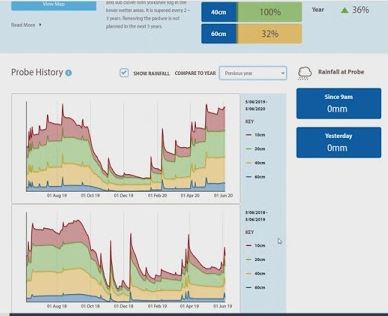
Making sense of the probe data

This video takes a close look at the ‘probe’ data – a key feature of the Farming Forecaster tool. Detailed explanation is provided around how to read and interpret the various outputs including soil moisture percentage readings, the ‘Probe History’ graph, rainfall and soil temperature. The video also shows how to access information about the soil type at each probe location. Soil type is an important factor to consider when viewing the information.

Making sense of the probe data (Part 2)

This video takes a close look at the ‘probe’ data – a key feature of the Farming Forecaster tool. Detailed explanation is provided around how to read and interpret the various outputs including soil moisture percentage readings, the ‘Probe History’ graph, rainfall and soil temperature. The video also shows how to access information about the soil type at each probe location. Soil type is an important factor to consider when viewing the information.

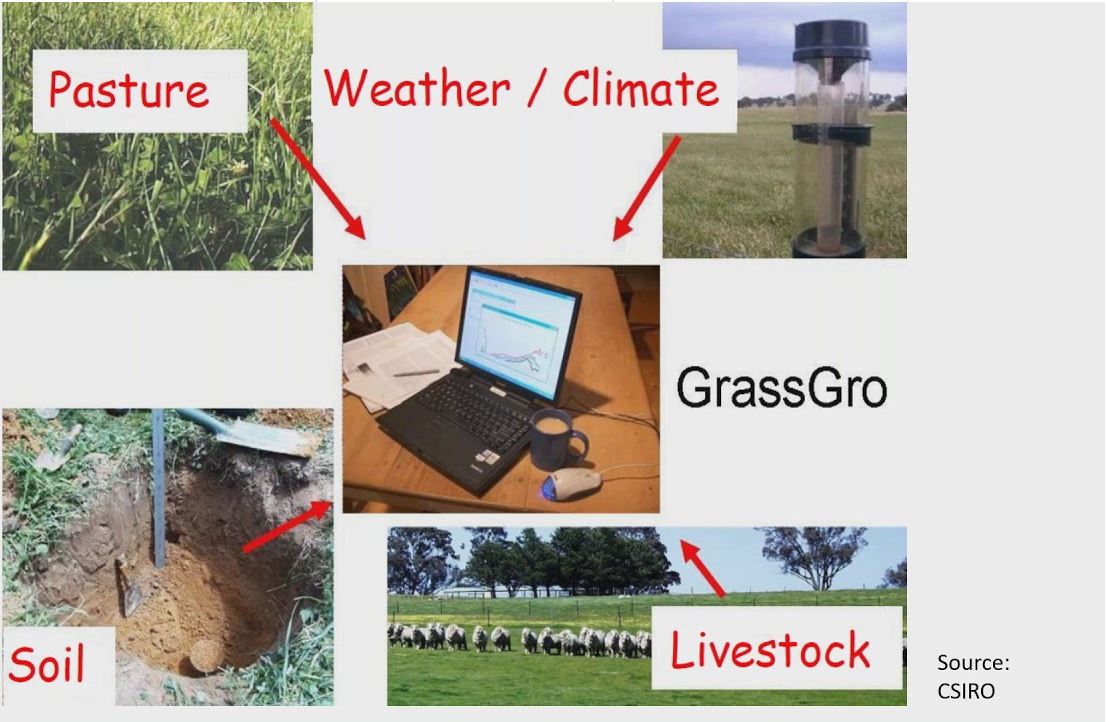
Making sense of the pasture forecast

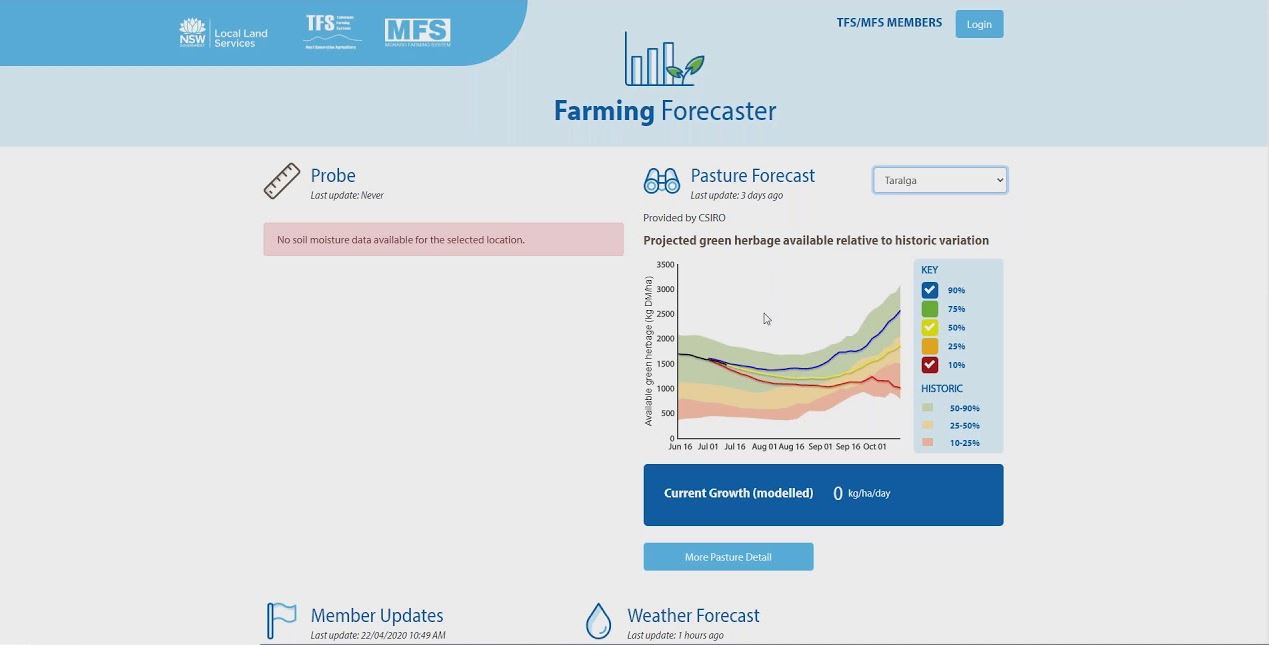
Produced by GrassGro, the pasture forecast provides information around current pasture position and the likely range in pasture availability over the next 3-4 months. This video explains how to access the pasture forecast for each location, what information and data is used to generate the forecast and how to read and interpret the pasture forecast graph. During the video we also take a look at some of the other graphs that appear on farming forecaster, including the Plant Available Water graph and the Ground Cover graph.

Making sense of the pasture forecast (Part 2)

Produced by GrassGro, the pasture forecast provides information around current pasture position and the likely range in pasture availability over the next 3-4 months. This video explains how to access the pasture forecast for each location, what information and data is used to generate the forecast and how to read and interpret the pasture forecast graph. During the video we also take a look at some of the other graphs that appear on farming forecaster, including the Plant Available Water graph and the Ground Cover graph.

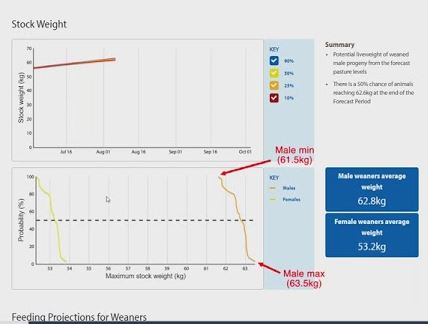
Making sense of the livestock data


Farming Forecaster also provides information around current livestock condition and predicted livestock performance during the next 3-4 months. Like the pasture forecast, this information is also produced by the GrassGro model and can provide an insight into whether breeding stock are on track to meet joining weights, if supplementary feeding is likely to be required (and amounts) etc.