Update on the Current Status of Drench Resistance in Worms

Dr Matt Playford of Dawbuts Animal Health will be updating southern sheep producers on the current status of drench resistance in worms at an MLA webinar, on May 13 at 8pm. Topics to be discussed include:

  • Update producers on effective drench combinations
  • Discuss best practice to delay the onset of drench resistance
  • Cover how to protect your property from a biosecurity point of view

Matt has extensive knowledge on the parasitology world and this promises to be a very informative update for producers. Here is the link to register: Meat & Livestock Australia Webinar

Grazing New Pasture and Lucerne growth; Cereal and Canola Crops

The recent rains and pasture growth across the TFS region has presented members with a number of potential animal health considerations. Matthew Hallam from Nutrien Ag Solutions, supporters of TFS has produced an article detailing the potential issues producers face when livestock are grazing new pasture, Lucerne and cereal and canola crops. The article goes on to describe possible management techniques to help with these issues and minimize the impacts. A link to the article is attached below:

Nutrien Ag Solutions – Grazing New Pasture & Lucerne growth


COVID-19 Demand Impacts

Here’s a summary of some of the best commentary we’ve been able to source on the likely impacts of COVID-19 on the Australian agricultural sector.  We’ll continue to update as we source tailored, accurate information on how the pandemic might impact the demand for agricultural products domestically and globally.

Rabobank Podcast
Angus Gidley-Baird discusses the impact of COVID-19 on the Australian wool and cotton markets and what it means for the short-term outlook

MLA commissioned Matt Dalglish from Mecardo, to provide an understanding into the prospective impacts COVID-19 could have on the Australian red meat market. Matt’s focus is on the beef and sheep markets and looks at potential consequences from the global pandemic and what this could mean for farmers.  You can access the recording of the webinar.
Analysis of the impacts of COVID-19 on Australia’s agriculture sector with good information on implications for domestic and global demand
Handy summary of the government stimulus measures your agribusiness may be able to access
General considerations for managing your enterprise through this period
Image credit: Fusion Medical Animation (Splash)
Post Drought Stocking Decisions

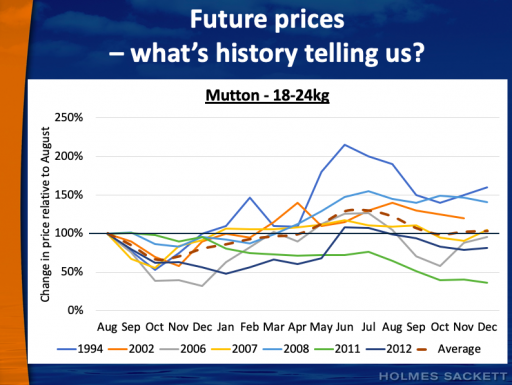
In September 2018 Holmes Sackett, an agricultural consultancy business prepared an update for TFS members on restocking options post drought. The session looked at what happened to livestock prices after previous droughts, the pros and cons of restocking via breeding or buying in, options around when to buy – go early or wait for feed, ROI when assessing a trade and breeding v trading.

The link below will take you to the presentation provided to attendees. These slides may be a useful resource in light of the recent season faced by TFS producers.

TFS Update Sep ’18 – Restocking options Holmes Sackett

Member Benefits

Make sure you’re getting the most from your Membership! Click below to download your guide to your member benefits. Please feel free to share this document with other like-minded farmers you feel could benefit from joining TFS.

Established in 2013 as an independent research, development and extension-based organisation, Tablelands Farming Systems is a progressive, innovative, farmer-led group. Our aim is to help farm businesses be more profitable and resilient in the face of shrinking support for traditional research and extension services and increasing volatility.

Alternative Fertilisers Field Research Project

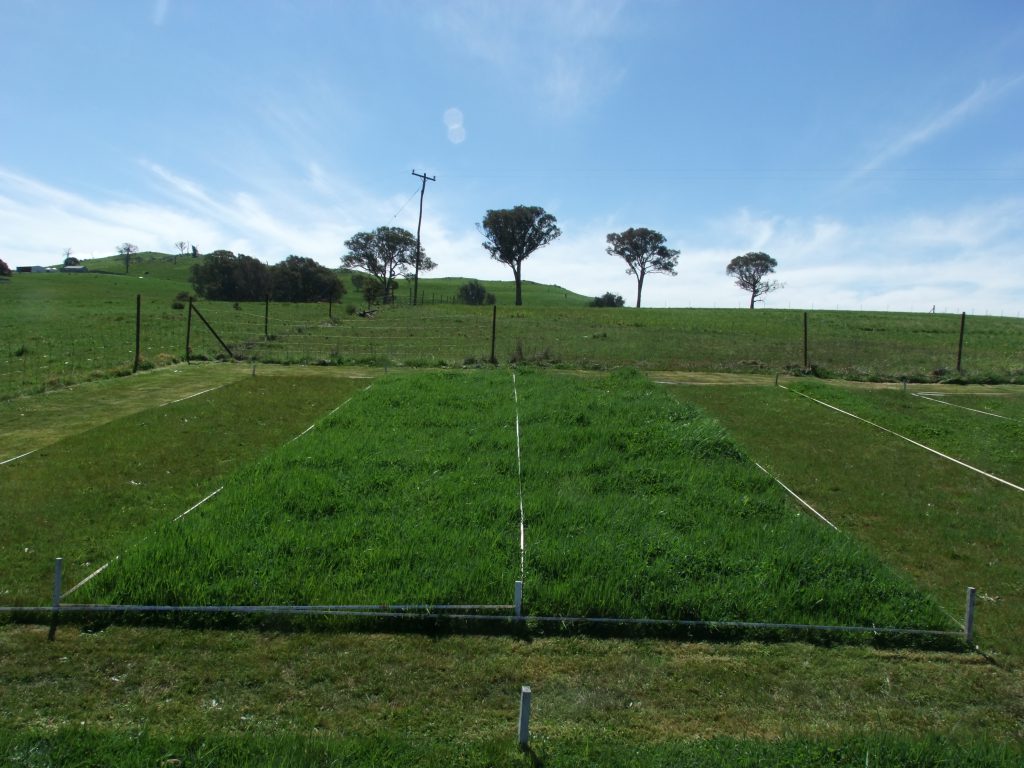
Different fertiliser products are commonly promoted for use on pastures in order to improve pasture productivity and support a more ‘healthy’ soil microbial environment. However, minimal field research has been conducted to validate such claims. A 6-year study (2009–14) was conducted on phosphorus (P)-deficient soils at three sites near Yass, New South Wales, to investigate the effect of topdressing perennial native-based pastures with a range of alternative fertilisers and with single superphosphate.

A summary of the findings are presented in a paper published in Crop & Pasture Science (Dec 2019 – Vol 70, Issue 12). A copy of the paper can be found here FLeech Crop Pasture Science manuscript.

A short video can also be viewed below highlighting the relevance of the study when choosing fertilisers for topdressing of pastures:


https://youtu.be/GtkArssq0pk

Worm and Drench Testing

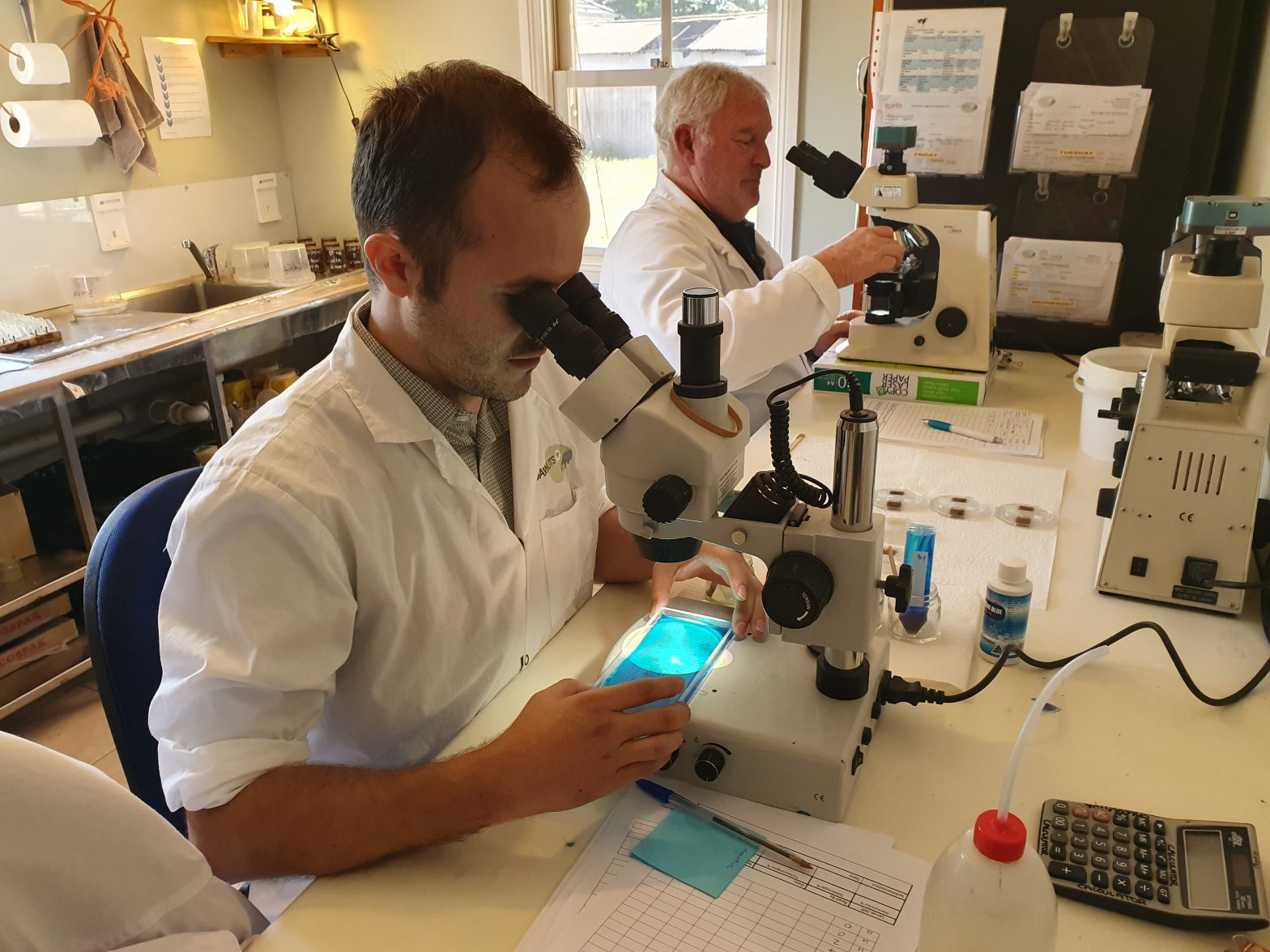
The management and treatment of worms for a livestock enterprise is critical to its success. Worm egg counts are an accurate method of checking the worm status of a mob or individual animals. With this in mind TFS launched a worm initiative in late 2019 that provides members with $310 of free worm testing through Dawbuts Animal Health. An aim of this project is to provide meaningful feedback to members on the worm burdens within the TFS area and for more testing to take place. Matt Playford, MD of Dawbuts estimates that only around 15% of producers worm test their livestock. To take advantage of the free testing please get in touch.

Drench Resistance Testing
TFS has been approached by Dawbuts for members to take part in a drench resistance project that Dawbuts have funding for and there are still a few spots available to take part. If you wish to take part or require further information please get in touch soon as the project winds up at the end of June 2020.

Controlling worms in livestock – Dealing with rain after drought
Matt Playford from Dawbuts Animal Health prepared this article for TFS members in February 2020. It gives members an idea of what to expect from worms after rain events that follow extended dry spells. It goes on to explain monitoring worm burdens and then the potential need for treatment. To review the entire article please click to download.

 
Image Credit: Dawbuts Animal Health

Healthy Soils

In conjunction with Graminus Consulting, TFS is offering members the opportunity to be involved in workshops covering topics related to healthy soils.  The first workshop was held at Gunning in February 2020 and was based on the management and measurement of ground cover. The workshop covered the importance of ground cover and gave participants the opportunity to get out in the paddock practicing visual measurement methods. The factsheet from this workshop is available to download in the link below.

These workshops are available through funding from Meat and Livestock Australia (MLA) with the second workshop scheduled for May. The topics tabled for workshop 2 are interpreting soil tests and developing pasture fertiliser plans. This will be an online event with the notice of when and how coming soon.

Ground Cover Factsheet

Soil Testing

Annual soil testing is an important step for producers monitoring soil fertility. TFS offers all members a streamlined soil testing process with $225 of free testing each year. Members can also take advantage of the reduced TFS rates for additional testing. The soil testing program has been running since 2015 and members that participate annually have built up an understanding of their soil fertility levels and compositions. Results are collated and analysed by industry experts with feedback presented to members in the second half of the financial year. For more information on becoming a member to be able to take advantage of soil testing please contact us.

Biosecurity Resources

With the increasing importance of Biosecurity for agricultural producers these days, TFS partnered with CSU’s Graham Centre on a mutually beneficial project. One of the outcomes of this project was that TFS members now have access to a suite of documents that will assist them in compiling a comprehensive biosecurity plan for their farm. These documents can be reached via the below links.

The fact sheet sets out a step by step process for creating a biosecurity action plan for your farm and the Tablelands Regional Report, prepared by the Graham Centre researchers, gives a regional perspective on biosecurity and identifies common areas of concern for TFS producers.

TFS Biosecurity Program FactSheet

TFS Biosecurity Program Cover

Farm-Biosecurity-Action-Planner-2019

LPA Biosecurity Template

Tablelands regional report final

Worm Egg Count Testing Fact Sheet

The TFS Board have developed a project that is designed to help members proactively target worm activity on the Southern Tablelands. TFS sees this project as an important management tool for members within their businesses. The main activity of the project is Worm Egg Count (WEC) testing with the results of the testing collated and analysed with feedback on results provided back to members.
Worm egg counts are an accurate method of checking the worm status of a mob/group or individual animals. The test provides an indication of the type and size of worm burdens present. This allows the producer to choose whether drenching is required. Furthermore, it can assist in minimising the use of drenches when they are not required.

TFS members can take advantage of the free worm egg count testing that comes with their TFS membership – up to $310 of testing. Below is a link to the factsheet for the project.

Factsheet WEC Testing